Network names eight promising early-career researchers as recipients of its 2026 Health Informatics & Data Science Awards
New investment of $800,000 will support early career researchers developing data-driven approaches to improve cancer diagnosis, treatment, and outcomes for Canadians.

Eight promising early-career researchers have been named recipients of the 2026 Health Informatics & Data Science Awards funded by the Marathon of Hope Cancer Centres Network (MOHCCN). Each will receive $50,000 from the Network, matched by their host institutions for a total of $100,000, to support innovative research aimed at advancing precision oncology.
This new investment of $800,000 will help support these early-career researchers as they develop and apply cutting-edge technologies, including artificial intelligence, machine learning, and advanced genomic analysis, to better understand cancer and improve care for patients.
The winning projects span several cancer types, including breast, lung, prostate, and brain cancers, as well as lymphoma and melanoma. Together, they aim to address some of the most pressing challenges in cancer research, from detecting cancer recurrence earlier and predicting how tumours spread to identifying new treatment targets for patients with rare and aggressive cancers.
The awards also support the next generation of Canadian cancer researchers, providing opportunities to work alongside leading scientists and clinicians while leveraging the Network's extensive genomic and clinical data resources.
"Data science is transforming our ability to understand cancer and develop more effective, personalized treatments," says Dr. André Veillette, Executive Director of the Marathon of Hope Cancer Centres Network. "These awards recognize eight outstanding young researchers who are developing innovative approaches to some of the most difficult challenges in cancer care. By investing in them and their research and connecting them with our national research community, we are helping support the next generation of leaders in this field while accelerating discoveries that could benefit cancer patients across Canada."
“As a cancer survivor with a passion for new technologies, I am excited by the potential of data science to transform cancer care,” says Rosilene Kraft, a metastatic breast cancer survivor and member of the MOHCCN’s Patient Working Group. “These innovative approaches offer new hope for patients like me, helping researchers better understand cancer and develop more personalized treatments. It is especially encouraging to see the next generation of researchers being supported through this award and bringing fresh ideas and perspectives to this important work.”
Award recipients
The 2026 award recipients and their projects are:
Dr. Felix Beaudry (Princess Margaret Cancer Centre, University Health Network) will investigate poorly understood regions of the genome to uncover genetic changes that may drive biliary tract cancers and reveal new opportunities for personalized treatment, using artificial intelligence and advanced DNA sequencing technologies.
Vanessa Brien (McGill University - Rosalind and Morris Goodman Cancer Institute) will use machine learning and advanced molecular profiling to investigate why different cells within rare, aggressive breast tumours respond differently to treatment, potentially identifying new biomarkers and therapeutic targets.
Marco Buttigieg (Queen's University) will investigate how age-related genetic changes in immune cells influence the development and progression of glioblastoma, an aggressive brain cancer, with the goal of identifying new approaches to personalized treatment.
Dr. Mallia Geiger (Centre hospitalier de l'Université de Montréal) will study bacteria found in the lungs and lung tumours to better understand their role in cancer development and treatment response, potentially opening new avenues for earlier detection and targeted therapies.
Uditha Maduranga (Princess Margaret Cancer Centre, University Health Network) will develop a blood test that combines genetic and epigenetic signals to detect small traces of lymphoma remaining after treatment, potentially helping doctors identify recurrence earlier and adjust treatment before the disease becomes visible on scans.
Alexander Turco (University of Toronto/Princess Margaret Cancer Centre) will investigate repetitive regions of DNA that are often overlooked in cancer research, searching for genetic changes that could help explain differences in tumour behaviour, treatment response, and patient outcomes.
Ana Maria Vera Rodriguez (McGill University) will investigate large-scale chromosomal changes in acral melanoma, a rare and aggressive skin cancer that disproportionately affects people with skin of colour, to better understand why some tumours resist immunotherapy and identify opportunities for more effective treatment.
Mame Sokhna Sylla (CHU de Québec–Université Laval) will combine genomic data, medical imaging, and artificial intelligence to investigate why prostate cancer spreads to particular organs, such as the bones and lungs, and identify biomarkers that could support more personalized treatments for advanced disease.
About the Health Informatics & Data Science Awards
The MOHCCN Health Informatics & Data Science Awards support outstanding early-career researchers working in health informatics, computational biology, bioinformatics, data science, and related fields.
The program aims to strengthen Canada's capacity in precision oncology by supporting the development of innovative approaches to analyzing complex cancer data, while providing graduate students and postdoctoral researchers with opportunities to advance their careers through collaboration and mentorship.
Award recipients work closely with established MOHCCN research teams and have opportunities to leverage the Network's growing collection of genomic and clinical data, including its landmark Gold Cohort of 15,000 cancer cases.
The Marathon of Hope Cancer Centres Network is supported by funding from the Government of Canada, through Health Canada, and matching contributions from the Terry Fox Foundation and participating institutions across the country.
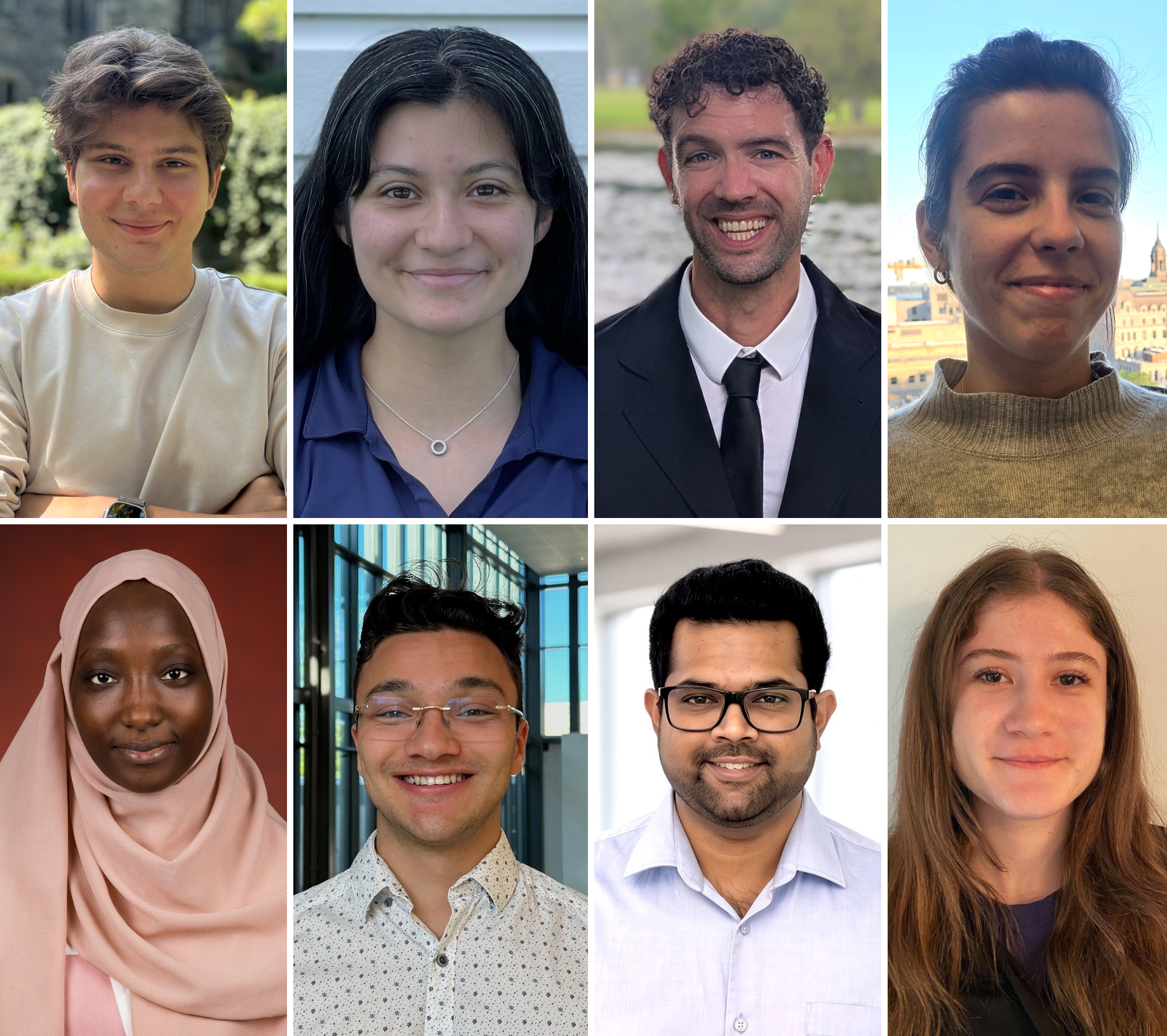
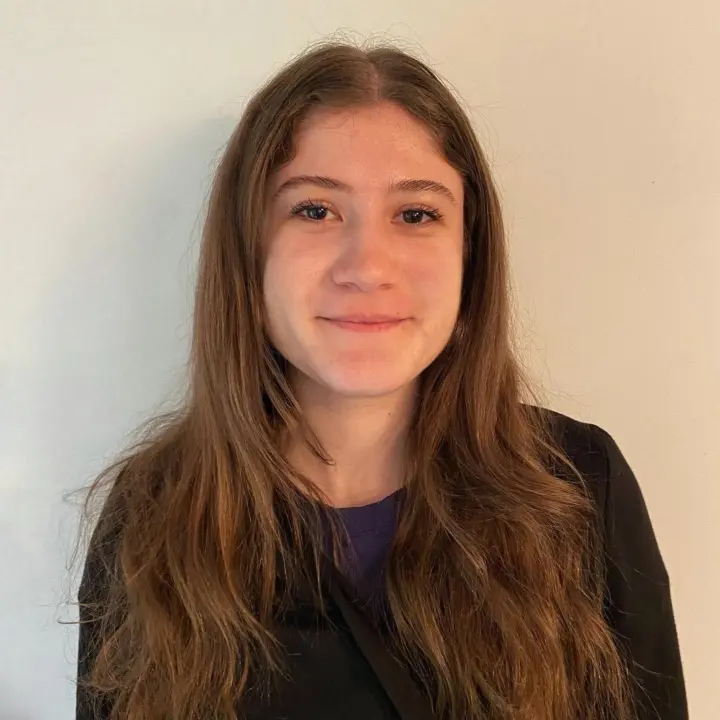
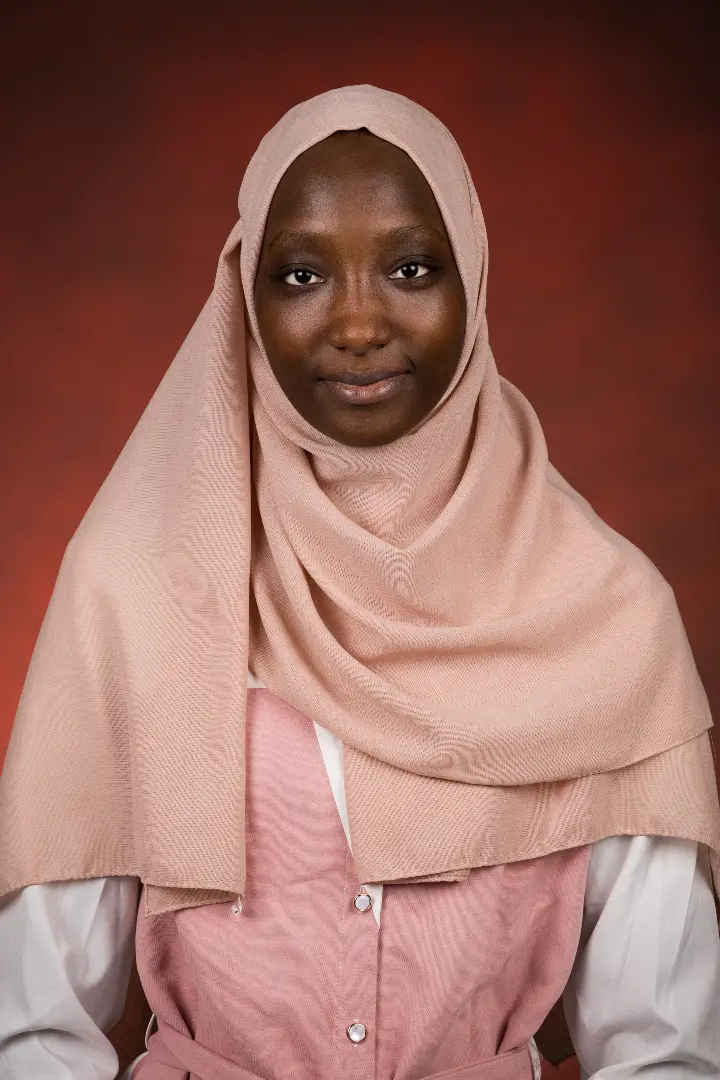
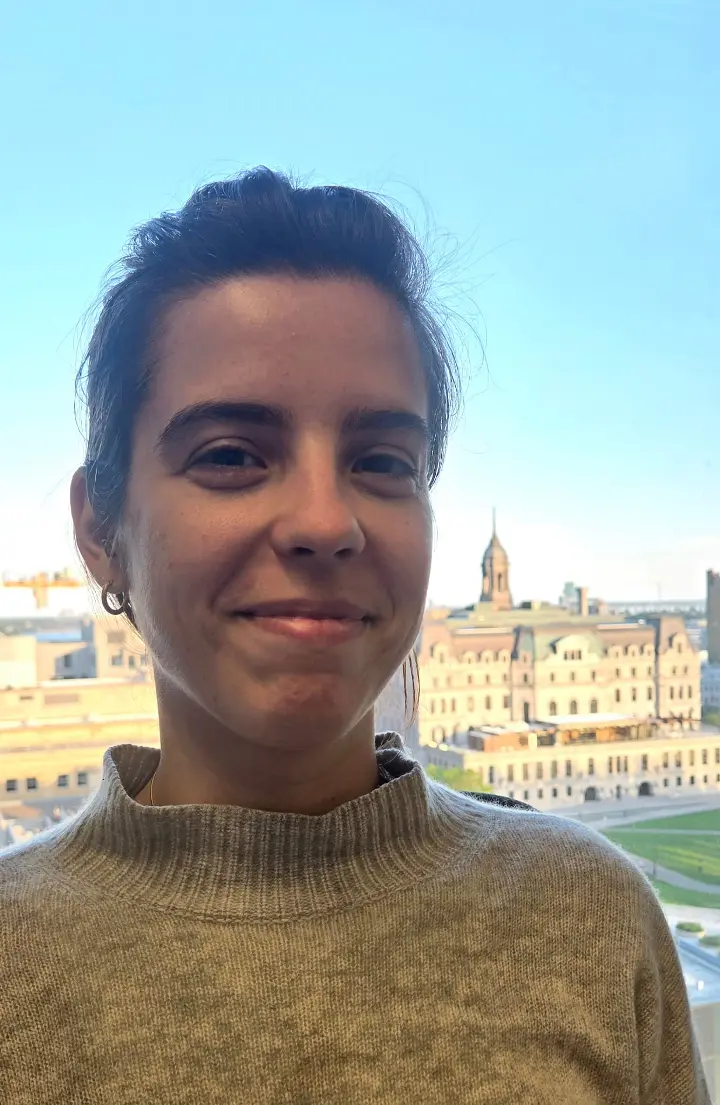
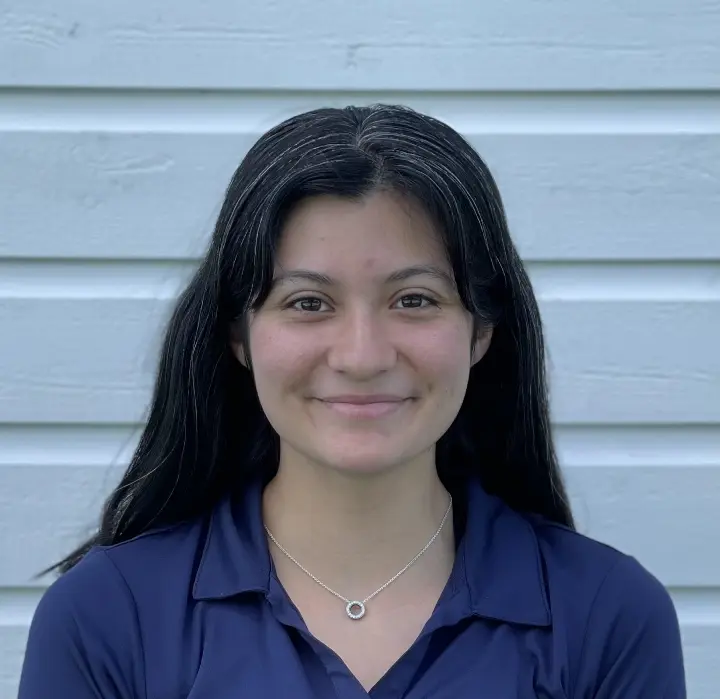
Top: Alexander Turco, Ana Maria Vera Rodriguez, Felix Beaudry, Mallia Geiger
Bottom: Mame Sohkna Sylla, Marco Buttigieg, Uditha Maduranga, Vanessa Brien
Projects




-
Regional Consortia
Marathon of Hope - Québec
The Marathon of Hope – Québec (MOH-Q) brings together leading scientists and clinicians from hospitals and research centres including the Research Institute of the McGill University Health Centre (RI-...Read more
-
-
Regional Consortia
Ontario Cancer Consortium
The Ontario Cancer Consortium coalesces the expertise and efforts of clinicians, pathologists, software developers and data and translational scientists to help accelerate precision medicine for cance...Read more
-