Decoding Myeloid Diversity to Enable Immunomodulatory Therapies Across Brain Tumour
Mapping the immune environment of brain tumours to unlock new treatment options
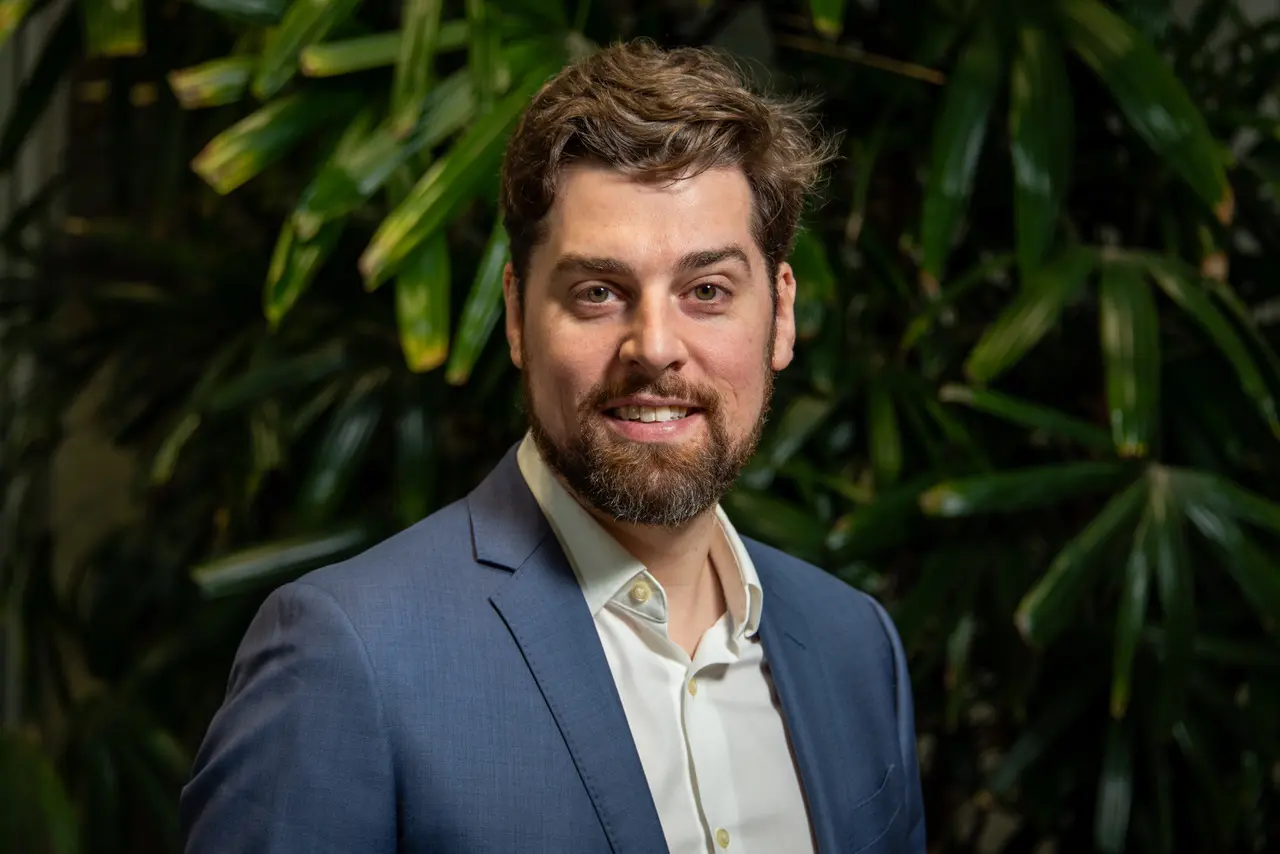
Dr. Charles Couturier will use a 2026 MOHCCN Clinician-Scientist Award to map immune cell behaviour across adult brain tumours and identify promising targets for future immunotherapies.
Brain tumours remain among the most difficult cancers to treat, in part because they can create an environment that prevents the immune system from attacking them. In this context, understanding how immune cells interact with tumours could reveal new ways to overcome treatment resistance and open the door to more effective immunotherapies.
This is exactly what Dr. Charles Couturier, a neurosurgeon and researcher at McGill University, will tackle with support from a 2026 Marathon of Hope Cancer Centres Network (MOHCCN) Clinician-Scientist Award.
“As a neurosurgeon, I meet patients and families facing devastating brain tumour diagnoses every week,” says Dr. Couturier. “Despite remarkable advances in cancer research, treatment options remain limited for many of these patients. Being directly involved in both patient care and research allows me to see where the greatest unmet needs exist and to design studies that address clinically relevant questions.”
Dr. Couturier’s project will focus on mapping the presence of myeloid cells, a family of immune cells that are found in and around brain tumours, and that are believe to play a role in regulating immune response to these tumours. Using advanced molecular technologies and tumour samples from patients, his team will study how these cells behave across different types of adult brain tumours and look for ways to reprogram them so the immune system can better fight cancer.
By the end of the three-year project, the team aims to create a comprehensive map of immune cell behaviour across adult brain tumours and identify the most promising targets for future immunotherapies. They will also develop laboratory models that allow potential targets to be tested directly in living patient tumour tissue.
These tools and datasets could provide a foundation for future clinical trials and more personalized treatments. They may also help researchers understand why immune-based treatments work for some tumours but not others and identify strategies for making more patients responsive to immunotherapy.
“Our ultimate goal is to develop more effective immunotherapies for patients with brain tumours,” says Dr. Couturier, who expects the resources generated through the project to have applications beyond brain cancer, contributing to a broader understanding of how the immune system influences cancer treatment.
As a recipient of the MOHCCN Clinician-Scientist Awared, the Network will provide Dr. Couturier with $262,500 over three years, which must be matched by his host institution for a total award of $525,000. In addition to funding, the MOHCCN’s national network will connect the project with clinicians and scientists studying other cancers and provide access to expertise in genomics, spatial biology, computational analysis and clinical translation.
“Receiving this award is both an honour and an important milestone as I establish my independent research program,” says Dr. Couturier. “It provides the resources and collaborative environment needed to pursue ambitious, patient-focused research while becoming part of a national network of outstanding clinician-scientists.”
“Ultimately, I hope this support will accelerate the translation of our discoveries into new clinical trials and, eventually, better treatments for patients with brain tumours.”
Key Researcher
-
Charles
ResearcherMOHCCN Clinician-Scientist Award Winner
Couturier
Related News Item
-
Network names four outstanding early-career clinician-scientists as recipients of its 2026 Clinician-Scientist Awards
New investment of $2.1 million will support innovative research aimed at improving cancer detection, treatment and quality of life for patients across Canada.