Whole-Genome Sequencing Liquid Biopsy in Neoadjuvant Immunotherapy for Early-Stage Non-Small Cell Lung Cancer
Using liquid biopsies to personalize post-surgery treatment plans for lung cancer patients

Neoadjuvant chemo-immunotherapy followed by surgery is the first line of treatment for many patients with early-stage non-small cell lung cancer (NSCLC). But even after systemic treatment and surgery, there’s still a chance of cancer returning, which means that doctors must decide whether to recommend additional treatment or to simply monitor patients.

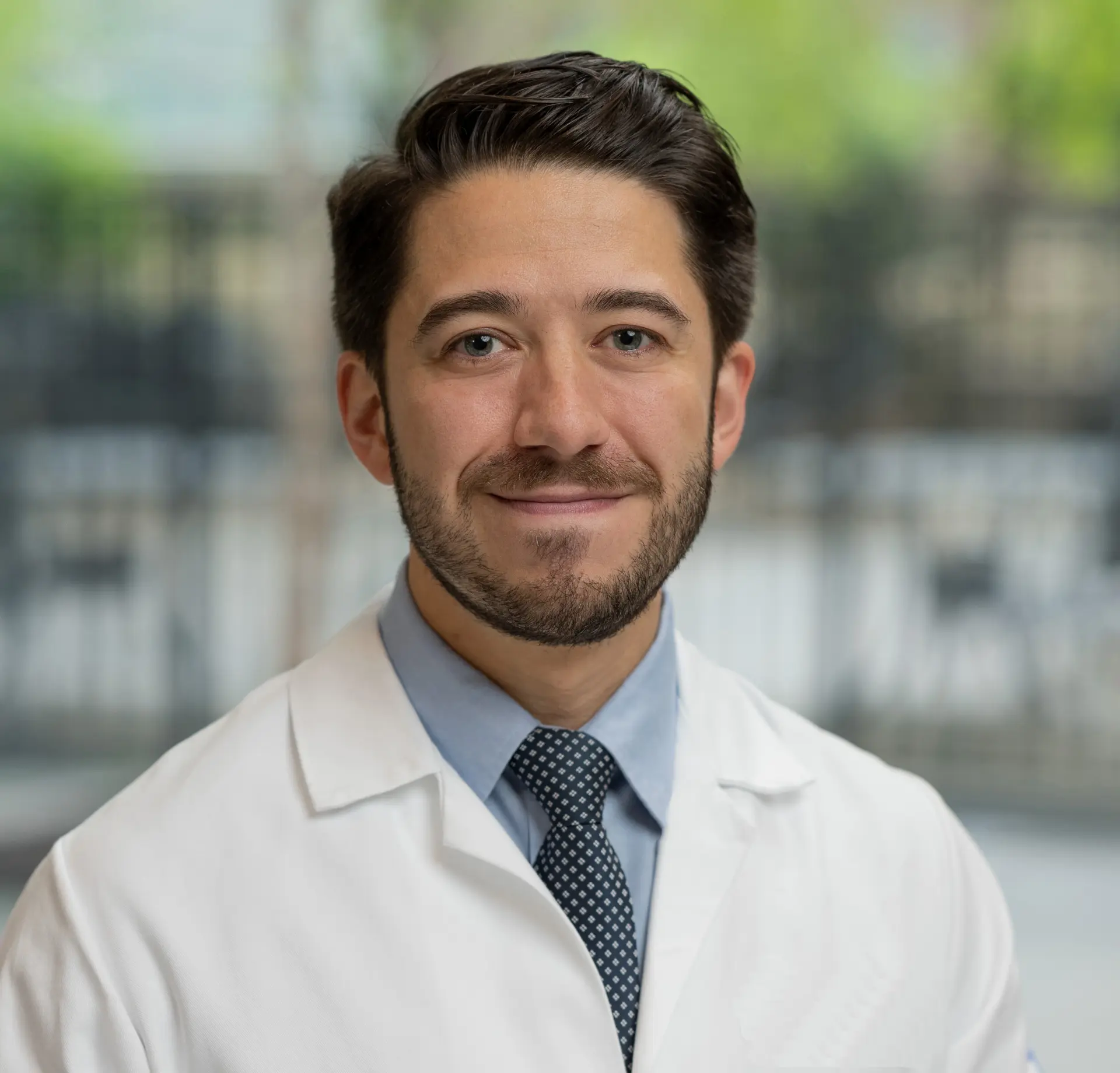
“Knowing who is at a higher risk of relapse and who isn’t is really important, as it would help doctors make informed decisions that reduce the chances of over- or under-treatment, while also reducing uncertainty for patients,” explains Dr. Antoine Desilets, medical oncologist and clinician-scientist at the Centre de recherche du Centre hospitalier de l’Université de Montréal (CRCHUM). “But today there are no precise tools to know if the cancer will return or not, meaning that doctors make these decisions in the dark.”

Dr. Desilets is hoping to change this thanks to new funding from a Marathon of Hope Cancer Centres Network Clinician-Scientist Award.  He will receive $450,000 over the next three years to develop a highly sensitive blood test capable of detecting minimal residual disease — tiny fragments of cancer DNA that can linger in the body after surgery.

“By detecting minimal residual disease, we can identify patients at higher risk of recurrence long before it appears on a scan,” says Dr. Desilets. “This means we can offer timely additional therapy to those who need it, while sparing others from unnecessary treatment and side effects.”

The study will go beyond traditional liquid biopsy approaches by integrating results with other patient-specific data, such as tumour characteristics and gut microbiome profiles, to create a more personalized post-surgery treatment plan. This has the potential to improve survival rates, reduce unnecessary toxicity and enhance quality of life for patients.

A key focus of the project is equity. The research team will work with patient partners and target underserved populations, including members of the LGBTQ+ community, to ensure that the benefits of precision oncology are accessible to all.

For Dr. Desilets, this work is rooted in clinical experience. “I’ve seen firsthand how patients face uncertainty after lung cancer surgery, unsure whether they need more treatment,” he says. “Current tools lack the precision to guide these decisions confidently. This project is about giving patients and their care teams the evidence they need to make informed, personalized choices.”