Deciphering the Spatial Transcriptomic and Circulating Epigenetic Landscape of Acral Melanoma
Tackling one of melanoma’s most aggressive and overlooked forms

Acral lentiginous melanoma (ALM) is a rare type of skin cancer that grows on hands, feet and under the nails. In many cases, especially in patients with darker skin, it is diagnosed at advanced stages, making it harder to treat. To make matters worse, new immunotherapies that commonly work for other melanomas are less effective for patients with ALM. All this conspires to make ALM one of the most dangerous types of skin cancer.

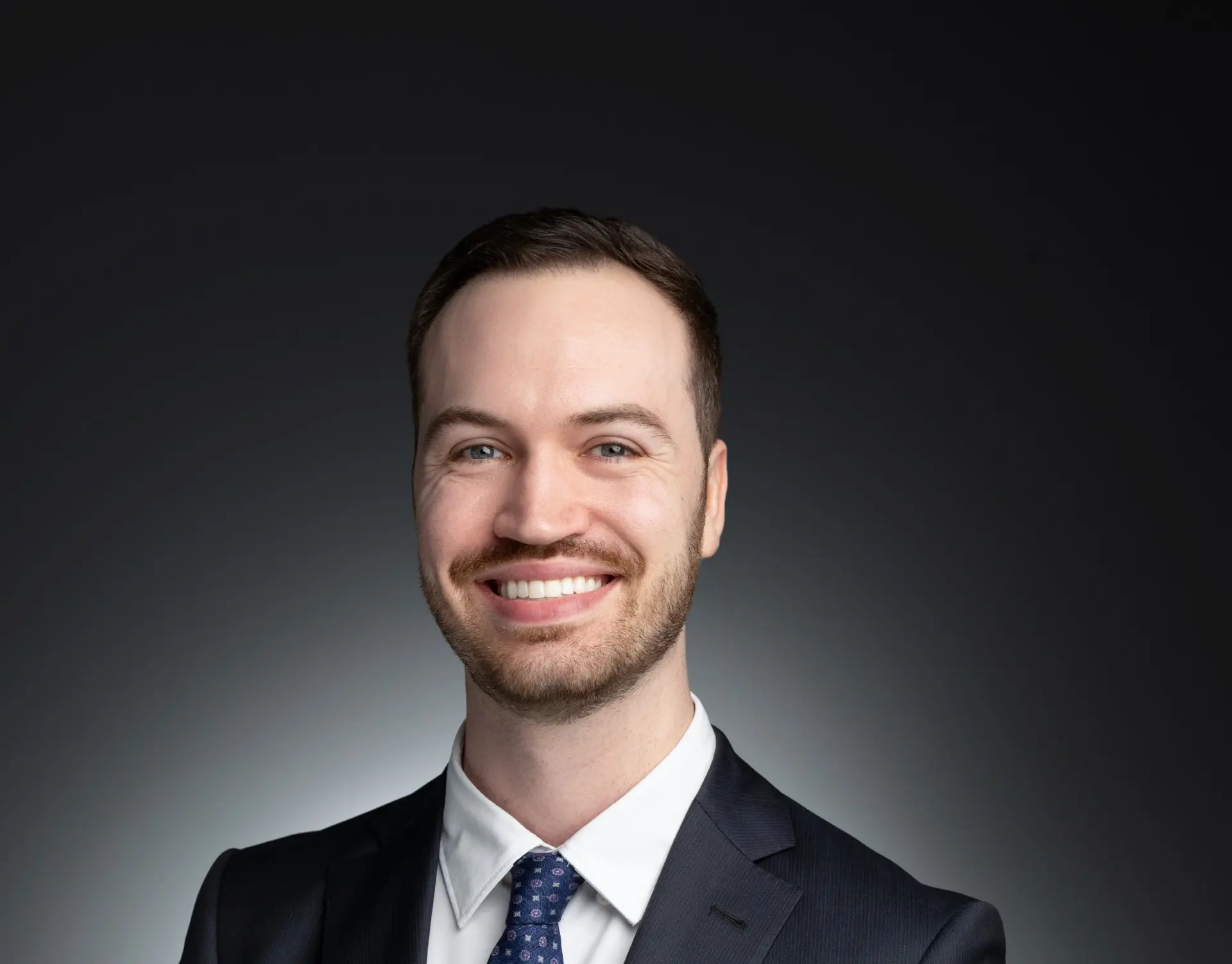
That’s why every time Montreal-based dermatopathologist and clinician-scientist Dr. Simon Roy (McGill University Health Centre and Rosalind and Morris Goodman Cancer Institute), diagnoses a patient with ALM at advanced stage, his heart sinks.

“It’s heartbreaking,” says Dr. Roy. “We’ve made huge strides in reducing mortality for sun-induced melanoma, but acral melanoma patients are being left behind.”

To bring new hope to these patients, Dr. Roy will use funding from an MOHCCN Clinician-Scientist Award to advance our understanding of ALMs with the hopes of finding new ways to understand and treat this aggressive disease.

To achieve this, he will develop a novel method to map the unique composition of ALM tumours to better understand how they interact with each patient’s immune system. Mixing spatial transcriptomics, epigenetics and proteomics, this novel map will provide researchers a way of studying each patient’s tumour in detail, helping to design treatments that are tailored to their unique features.

“My ultimate goal is to reduce the mortality gap between acral melanoma patients and those with other melanoma subtypes, ensuring that precision oncology benefits all communities equally,” he says.

Support from the Network will also help Dr. Roy connect with other experts in the field to more quickly translate his findings from bench to bedside.

“The Marathon of Hope Cancer Centres Network provides the critical infrastructure I need to transform my observations from the microscope into actionable precision medicine strategies for Canadian patients with rare melanomas,” he says. “Beyond the financial support, being part of the Network connects me with Canada's leading cancer researchers and creates opportunities for collaborations that would be impossible to achieve alone. I hope this award will catalyze my career-long mission to transform how we diagnose and treat rare melanomas, allowing me to bridge my dual roles as a dermatopathologist who diagnoses these devastating cancers and as a researcher working to cure them.”